Verifying Software Under IEC 61508-3:2010
IEC 61508 is the functional safety standard for electrical, electronic, and programmable electronic systems, and Part 3 addresses software specifically. Teams developing industrial automation, process control, robotics, and heavy machinery develop to IEC 61508 or to sector standards based on it. This white paper maps the verification and validation activities in Part 3 to the techniques in Annexes A and B, shows which apply at each SIL, and explains where test automation reduces the effort required to produce the evidence.
The coverage bar rises with every SIL
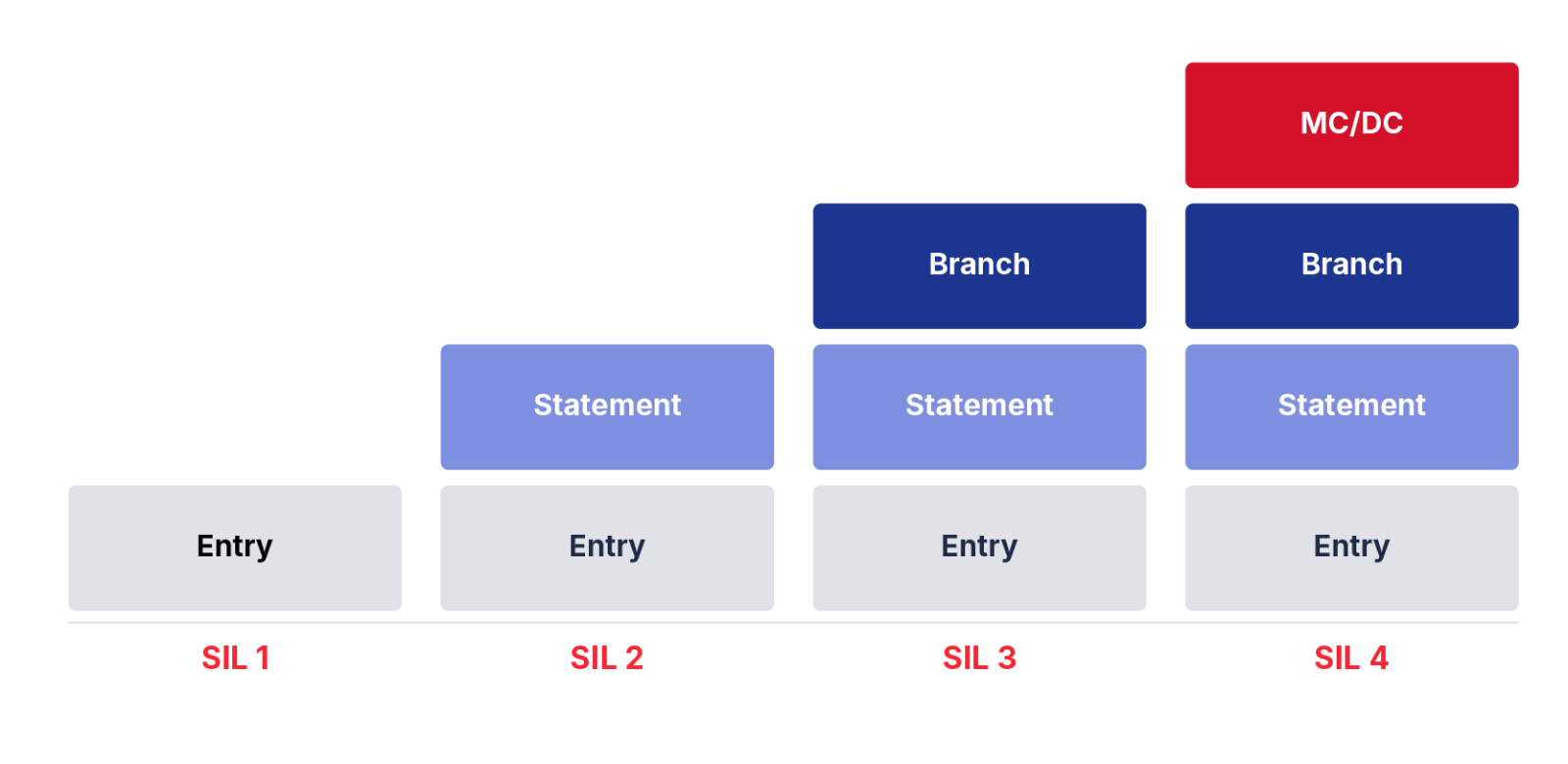
Part 3 adds a coverage type to the highly recommended list at each level, from entry points at SIL 1 to MC/DC at SIL 4. The paper explains each type, uses a single sample condition to illustrate what statement, branch, and MC/DC coverage require, and shows how a truth table generated from the code identifies the test pairs that MC/DC requires.
Less Setup. More Testing.
The paper shows where test automation saves time in unit testing: setting up each test, running it on your hardware, and rerunning all tests when code changes.
Build the harness
The tool generates the test driver and stubs for code that does not yet exist, so you can test each unit on its own without writing harness code by hand.

Run where the code runs
Execute tests on a host, a simulator, or the target board using a Runtime Support Package.

Trace and rerun
A Requirements Gateway links requirements to test cases, and the full regression suite reruns when code changes.
VectorCAST is TÜV SÜD certified for IEC 61508
Part 3 asks how you establish confidence in your tools, whether through formal certification or increased confidence from use. A certified tool comes with the documentation for your compliance case:
- Certificate from TÜV SÜD
- Tool Operational Requirements
- Tool Qualification Data
- Compliance analysis against IEC 61508
Download the White Paper
Get the full SIL-by-SIL ratings
Written for embedded developers, test engineers, and functional safety leads, the paper covers all 11 software verification techniques in Part 3, including dynamic analysis, black-box testing, traceability, and impact analysis.
- Software verification, dynamic analysis, and black-box testing by SIL
- Boundary value analysis, equivalence classes, and error seeding
- An MC/DC truth table generated from code
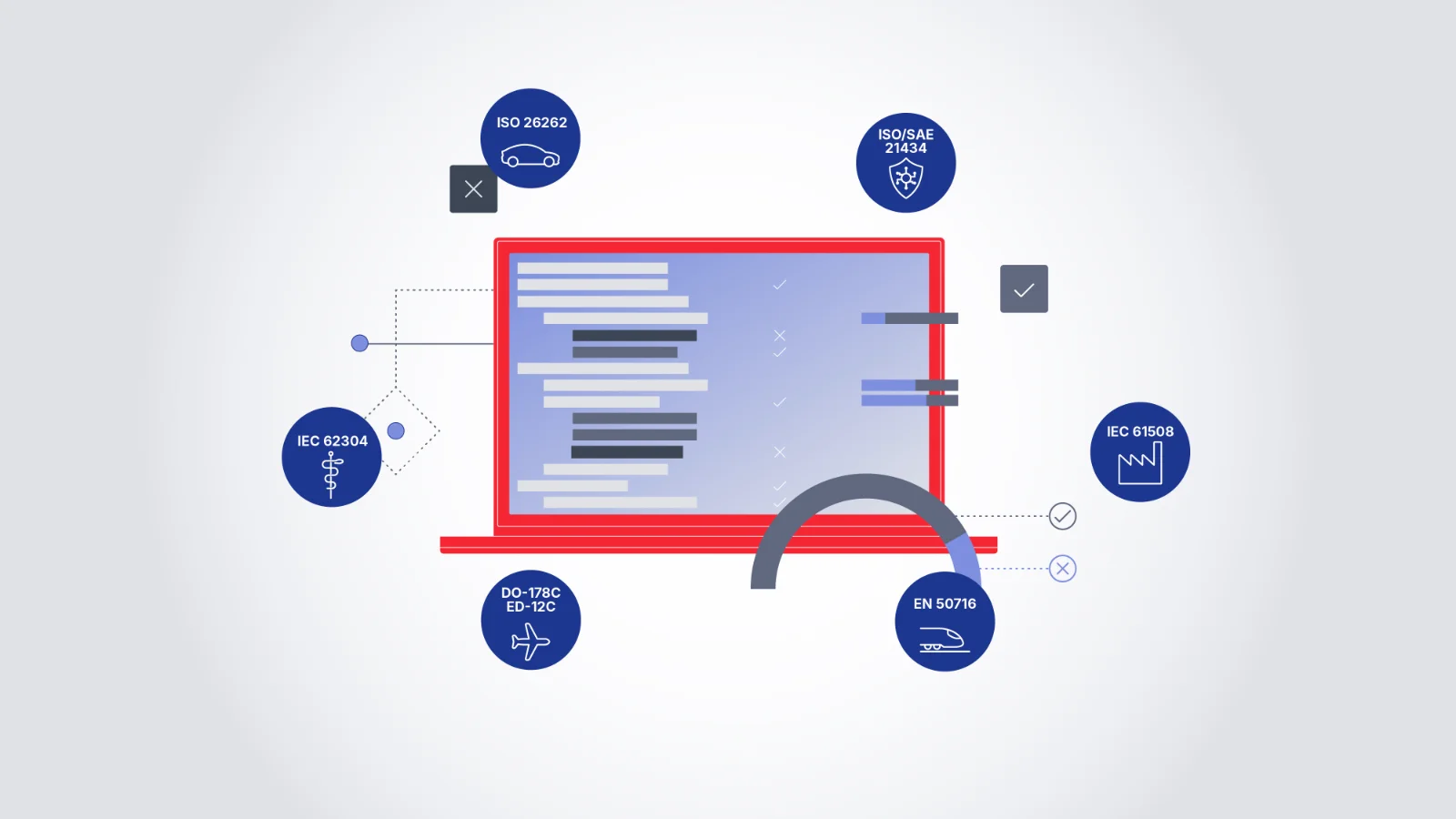
Functional Safety Standard Compliance
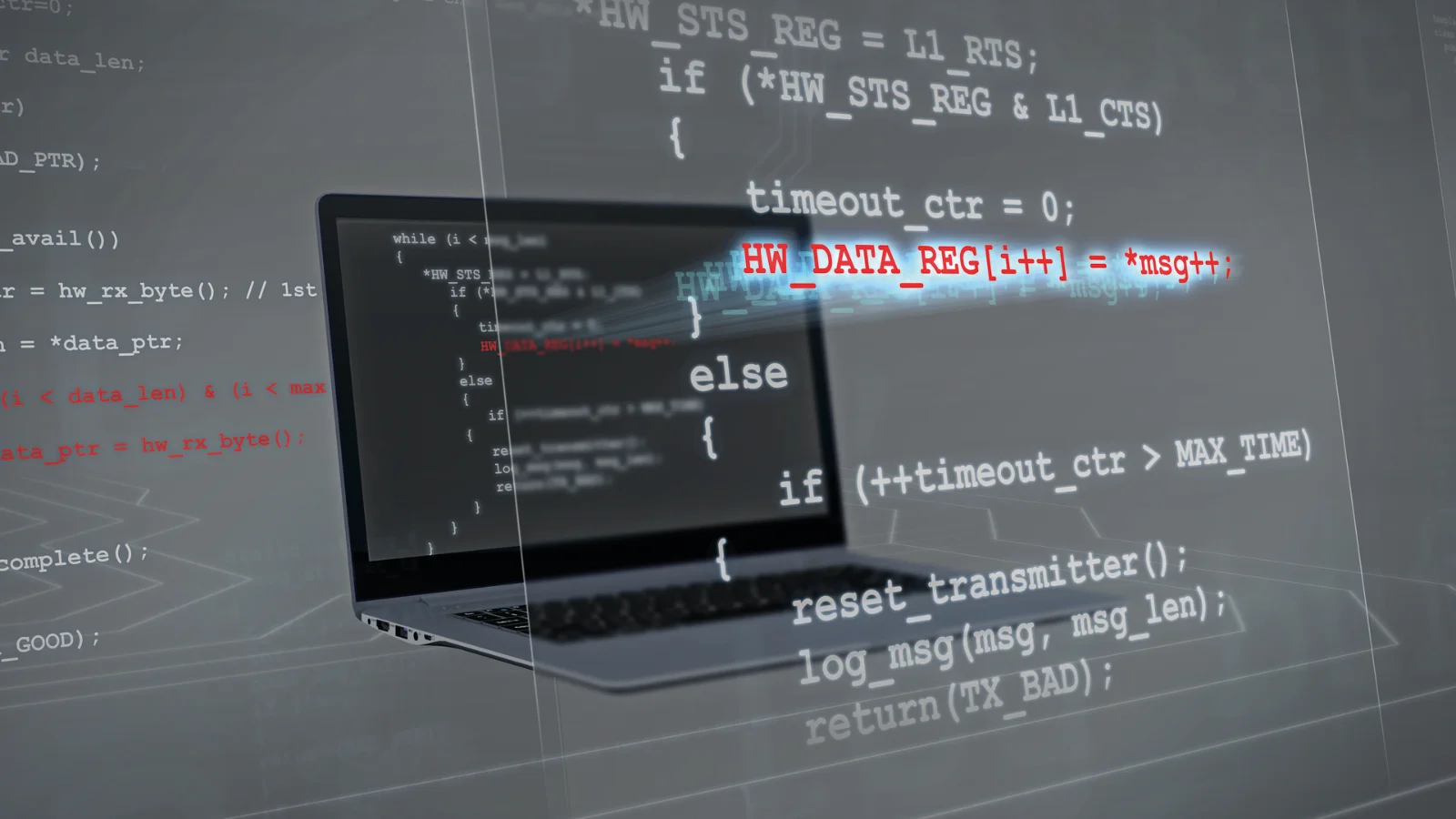
PC-lint Plus