One Platform for Future-Proof Software Development Decisions


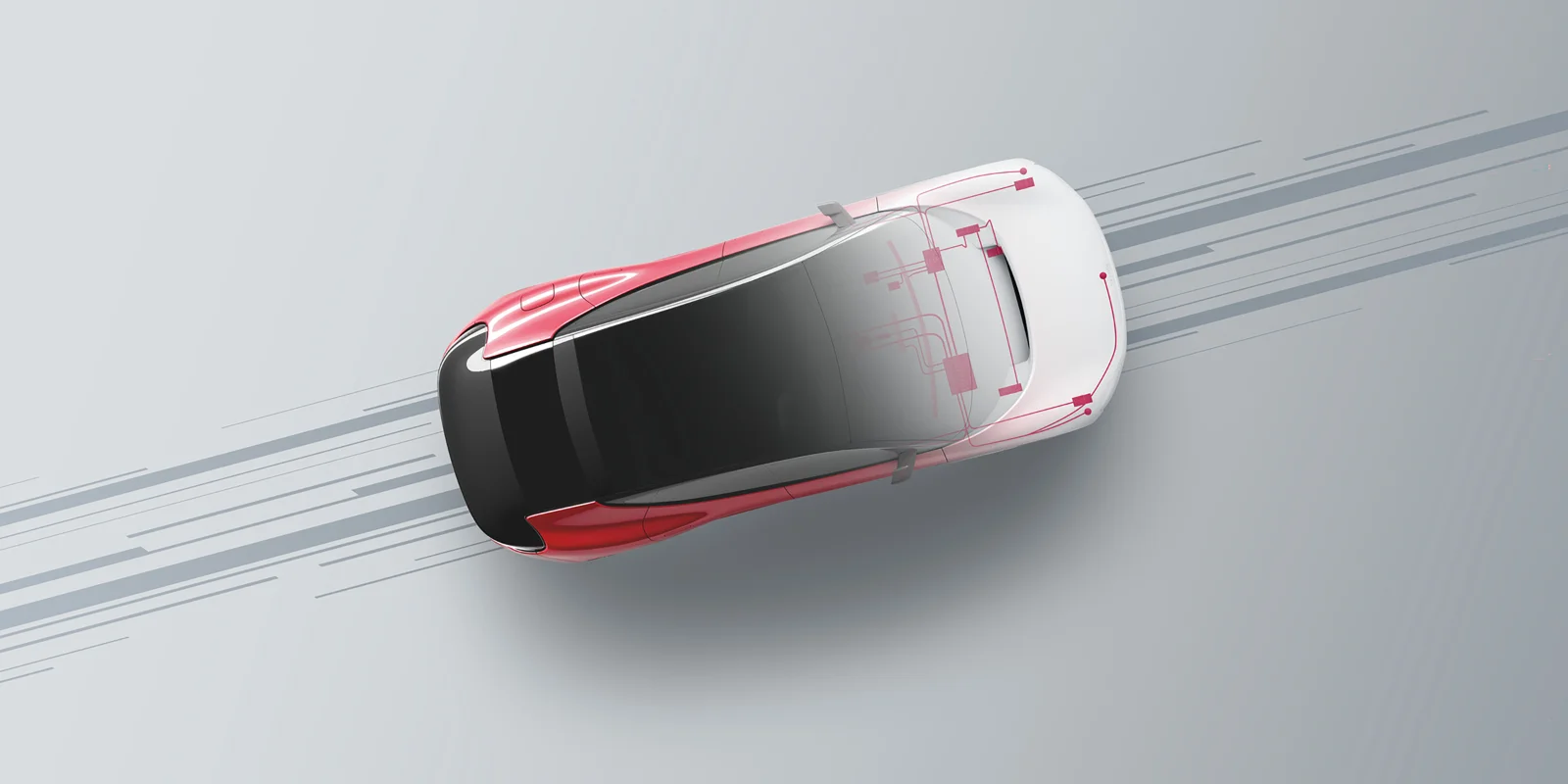

Shifting value-adding functions into software applications (Software Defined Systems) is a key driver of digital transformation. This changes how products are developed, operated and evolved.
With the focus on application development, the scope of the Vector Software Platform is clearly set to support what really matters – your expansion of value-adding features.
The Vector Software Platform builds a foundation to master this transformation. It provides a stable, modular and scalable solution to develop, deploy and run complex software systems, from device to cloud. The integration with the Vector Software Ecosystem and beyond is self-evident.
Reduce complexity. Gain control. Stay focused.
Build on a platform designed for long‑term decisions.
Key Benefits at a Glance
Strategic software decisions need a solid foundation. These are the benefits that matter at platform level.
- One integrated platform
Replace fragmented toolchains and implementations with a consistent, end‑to‑end solution that seamlessly integrates in the Vector Software Ecosystem. - Built to scale
From smallest projects to largest distributes setups – with minimal efforts. - Open by design
Standardized and/or open APIs enable seamless integration with existing systems and third‑party frameworks.
- Lifecycle consistency
One platform supporting high-level of automation and a closed dev-ops loop – development, deployment and operation. - Future‑proof architecture
Modular structure with clear evolution paths instead of lock‑in based on a solid technological foundation from platform services to applications. - Modern and fast
Modern AI-driven and user-centric workflows for short turn-around times and large scale automation.
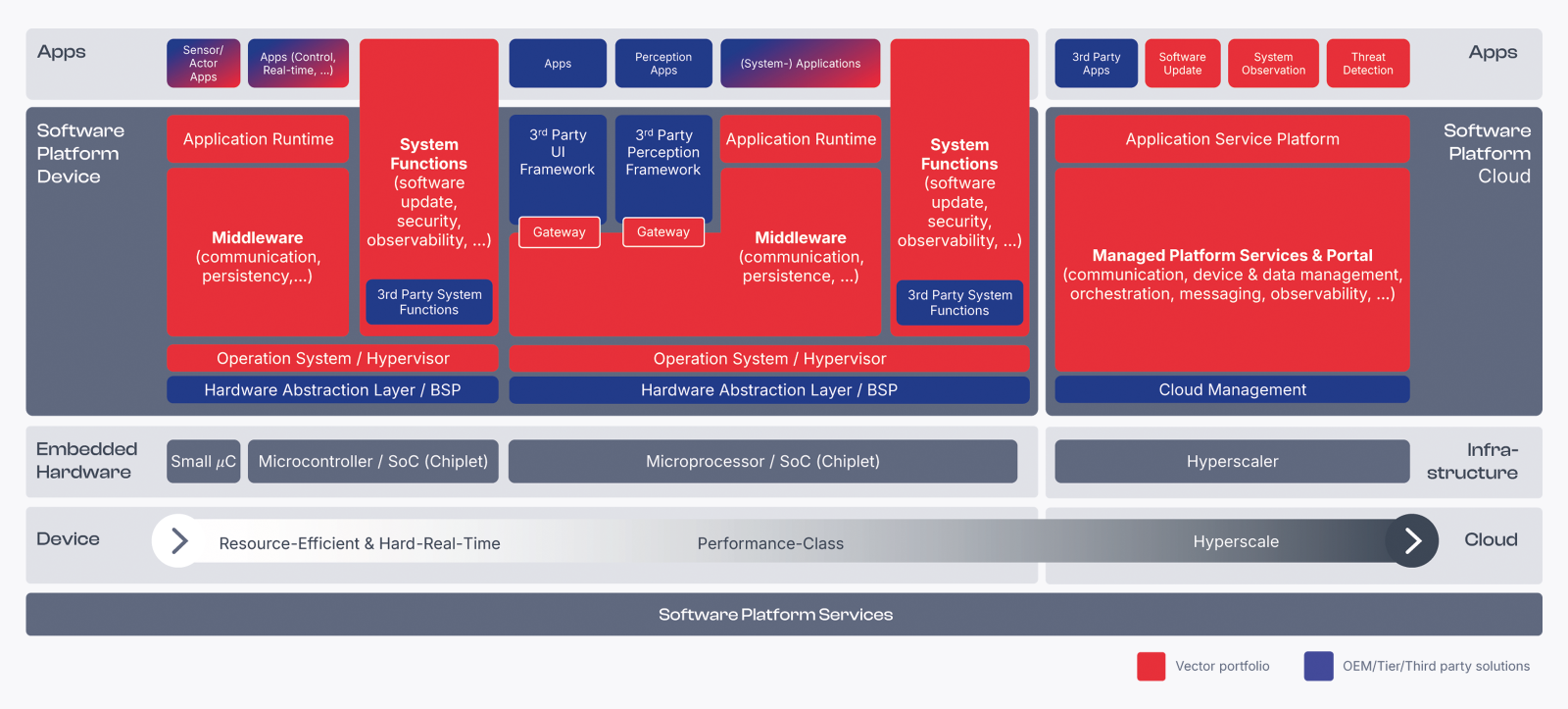
A Software Platform That Turns Complexity Into Structure
The Vector Software Platform provides a unified basis for managing software across its entire lifecycle.
It connects embedded devices, cloud services and development workflows through a consistent platform layer enriched by engineering services.
Instead of isolated products, you work with an integrated solution:
Key Features at a Glance
These platform capabilities form the foundation for scalable, integrated software defined systems, designed to support growth, operational excellence and future evolution.
Code-first Approach
Workflows & automation: Shifting from specification first to code first and as-code principles to enable fast development cycles.
Developer Centric
Workflows & automation: Seamless development, integration and operation workflows from device to cloud.
AI as a Principle
Workflows & automation: Modern workflows designed to unlock the full potential of AI.
Standardized APIs
Technological foundation: Well-defined interfaces for maximized interoperability and flexibility.
Device to Cloud
Technological foundation: Infrastructure and system software (middleware, operating systems, microservices, etc.) that seamlessly performs across system boundaries.
Modular Architecture
Technological foundation: Open and modular approach that allows for simplified extensions.
Ecosystem
Collaboration & integration: More than just a Software tech-stack and workflows, it integrates seamlessly with the Vector Software Ecosystem.
Interoperability
Collaboration & integration: Ready and prepared for interoperability with Open-Source, Partner, OEM or other frameworks.

From Domain to Centralized – Zonal ECUs as Enabler for Software-Defined Vehicles
Initial Situation
Modern vehicles rely on centralized architectures to enable software-defined functions. By decoupling functional dependencies and enabling scalable, updateable features, zonal approaches create the technical basis for future-proof vehicle systems.
Challenge
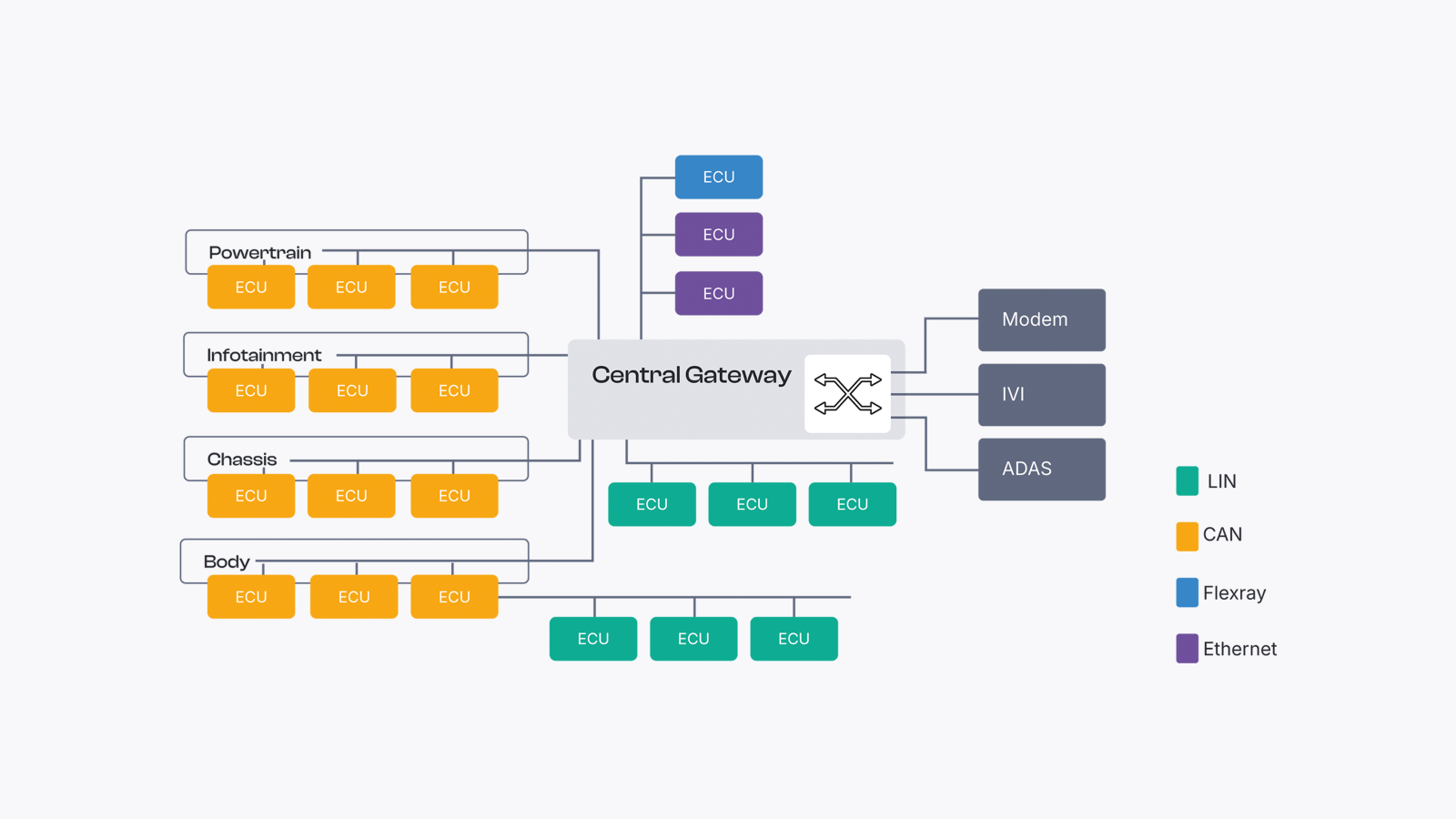
Moving from domain‑based to centralized architectures introduces new demands for electronic control units – in particular for zonal ECUs. Realizations vary widely, ranging from communication-routing-focused variants to large-scale application integration scenarios.
There, the zonal ECU takes on a central role. It connects sensors, actuators, and decentralized ECUs with higher-level systems and handles data distribution as well as power and mode management for its zone. This requires high data throughput, strict timing behavior, and reliable system coordination. Hence, increasing complexity and additional requirements are shifted towards zonal ECUs.
Solution & Result
Solution
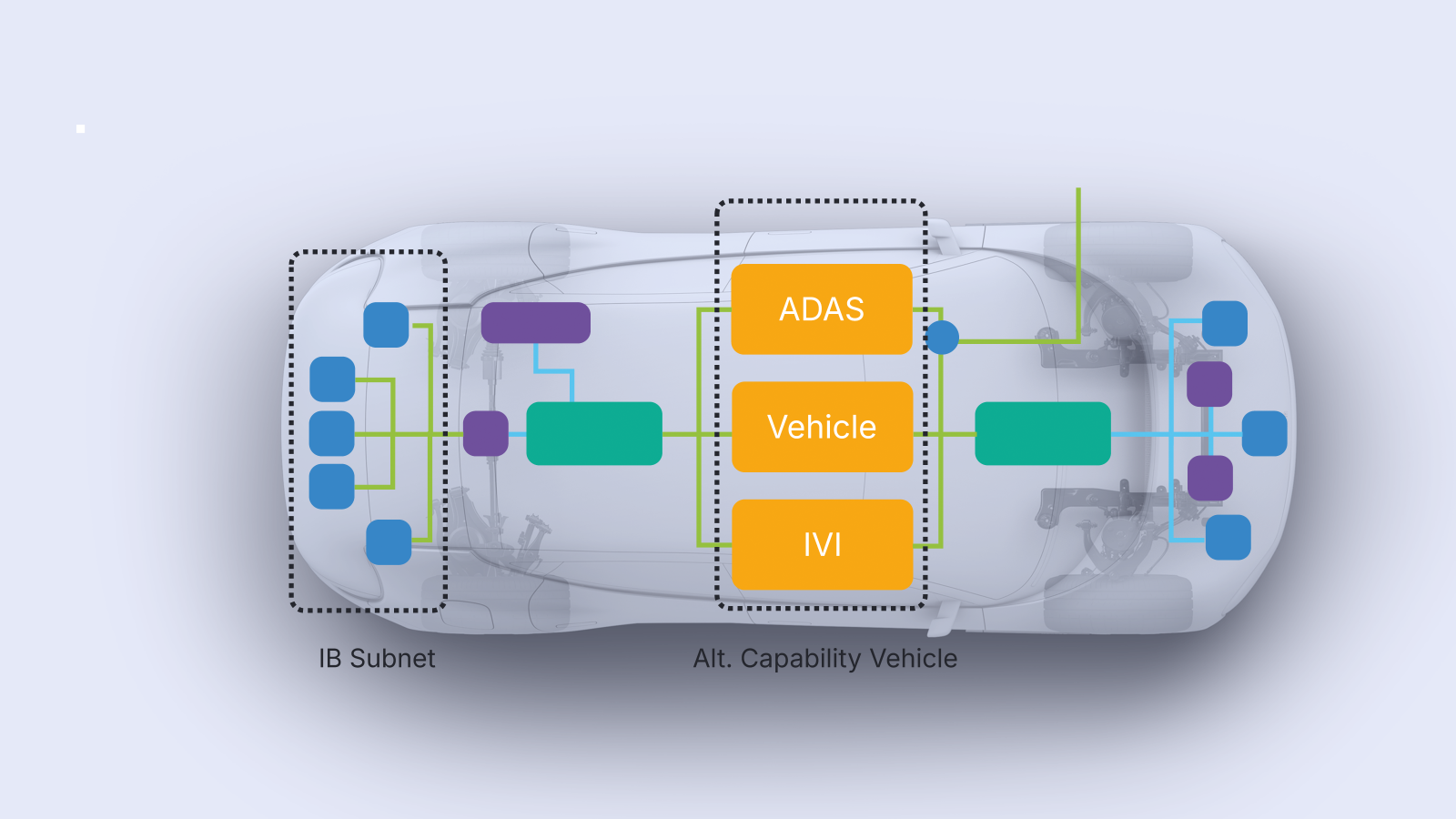
With the Zonal SDK, Vector provides a structured solution to simplify the development of modern zonal control units. The solution includes a coordinated combination of blueprints, development tools, embedded software and services. It solves the integration of diverse functions, managing communication efficiently, and creating a stable foundation for scalable system architectures.
Result
You establish a clear and scalable setup for zonal ECUs that meets performance, timing, and integration requirements. This supports a smooth transition to centralized architectures and creates a reliable basis for future software-defined vehicle platforms.
Our Product Portfolio

Our Service Portfolio
Part of a Bigger Picture
The Vector Software Platform is a core building block within the Vector software ecosystem.
Vector Ecosystem
Software Factory

Software Defined Vehicle