
Vector Virtual Railway Engineering Days
Following the success of the first Vector Virtual Railway Engineering Day in 2025, the second edition was held in 2026. Many development engineers took advantage of the opportunity to learn about new testing strategies for more efficient development, such as software-in-the-loop and hardware-in-the-loop testing approaches.
We particularly enjoyed the presentations by Dr. Mashud Kabir from DB InfraGO as well as Jan van der Heide and Freek van Capelle from PILZ. They provided fascinating insights into progress made in automating acceptance tests for railway signalling component using Vector tools and in conformance testing of the RaSTA protocol, the safety layer in SCI communication.
Automated testing is indispensable for the development of modern railway systems - whether for the development of vehicles or railway signalling components. This includes static code analysis and unit testing as well as software-in-the-loop (SIL) and hardware-in-the-loop (HIL) tests.
At the Vector Virtual Railway Engineering Day, the participants learned about the Vector solutions for these topics as well as a holistic validation concept that integrates both SIL and HIL testing methods. In presentations and tool demonstrations, we showed how to increase test efficiency through seamless SIL/HIL validation and reuse of test cases, simulation models, bus and network configurations, and user interfaces. All without the need to convert between platforms. This increases your development efficiency and software quality, saves time and money, and shortens your time to market.
Presentations 2026
Strategies for Efficient Testing – From Digital Twins to Acceptance Tests
Dr. Manuel Hüpfel, Vector
In this session you learn how automated testing in both virtual and real environments minimizes hardware integration times as well as verification and validation efforts, leading to shorter overall project durations. The presentation showcases how virtualized systems enable testing within automated server-based workflows at a very early stage – already at the developer’s desk.
Acceptance Tests at DB InfraGO – Automated Testing with Vector Tools
Dr. Mashud Kabir, DB InfraGO
Dr. Mashud Kabir from DB InfraGO AG presents recent highlights in the automation of acceptance testing for railway signalling components. The current focus at DB InfraGO is on the automated testing of NeuPro elements across extensive virtual and real test environments.
A Safe and Modular Railway Control System – Automated Testing the PSSrail
Jan van der Heide & Freek van Capelle, Pilz
Jan van der Heide and Freek van Capelle from Pilz GmbH introduce the PSSrail solution, which aims to enable economical, digital, and future-oriented automation for rail infrastructure and railway operations. The presentation explains how Vector tools support and simplify automated conformance testing of the RaSTA protocol, the safety layer used in SCI communication.
Hands-On Tool Demonstration – Automated Testing from Scratch
Dr. Mario Winkler, Vector
In this session we present the system-level test tool CANoe using a real EULYNX SCI-P object controller as an example. Dr. Mario Winkler will demonstrate the key steps required to create a virtual test environment that enables explorative testing as well as automated conformance, fuzz, and acceptance testing from scratch.
Presentations 2025
Strategies for Efficient Testing – From Digital Twins to Acceptance Tests
Dr. Manuel Hüpfel | Vector
By automating testing in virtual and real environments, we can reduce hardware integration times and significantly minimize V&V efforts, thereby accelerating time-to-market. The high reusability of test cases and simulations enables a seamless transition from software to hardware-in-the-loop testing. We illustrate state-of-the-art development and testing of embedded software.
Acceptance Tests at DB InfraGO – Automated Testing with Vector Tools
Dr. Mashud Kabir | DB InfraGO
In his keynote presentation, Dr. Mashud Kabir of DB InfraGO AG presented recent highlights in the progress of the automation of acceptance tests. The current focus of DB InfraGO is the automated testing of NeuPro elements with the intention to extend the capabilities to automated conformity tests of EULYNX systems.
Hands-On Tool Demonstration – Automated Testing from SIL to HIL
Dr. Mario Winkler | Vector
In this session, Mario presented our system-level test tool CANoe using the example of an SCI-P object controller. He showcased the capabilities of the tool for explorative and automated testing. Starting from the software-in-the-loop scenario, he transitioned to hardware-in-the-loop testing of the real device, reusing all test cases and environment simulations.
Enforcing EN 50716 Safety Compliance – Static and Dynamic Software Testing
Hermann Rauth | Vector
Meeting the safety standard EN 50716 requires static code analysis that enforces coding rules, as well as dynamic testing that executes the code under test while demonstrating compliance with functional requirements. In his presentation, Hermann showed how PC-lint Plus and VectorCAST help enforce compliance to EN 50716.
Panel Discussion
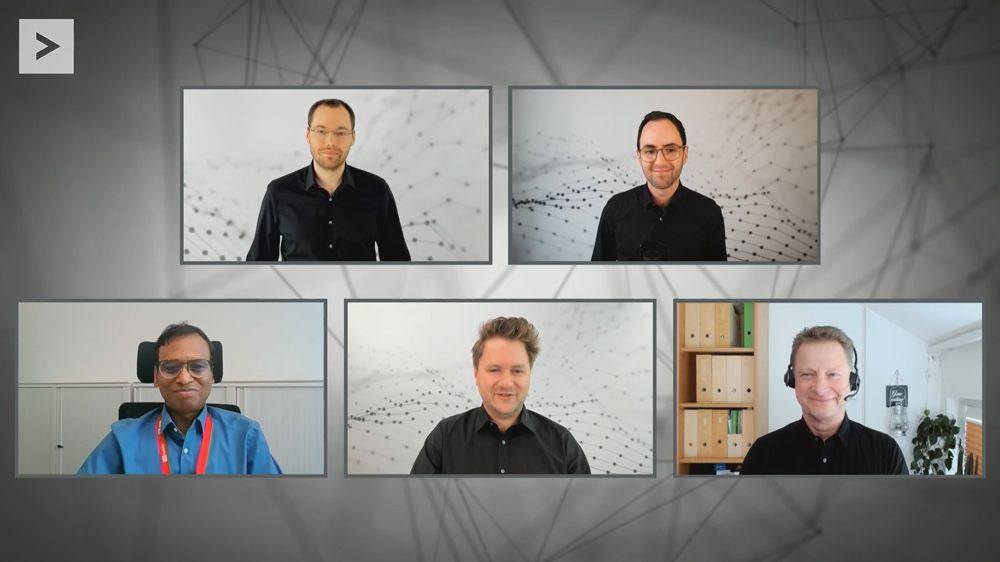
The four participants Dr. Mashud Kabir of DB InfraGO AG as well as Dr. Manuel Hüpfel, Dr. Mario Winkler and Hermann Rauth from Vector discussed how to contribute to a more efficient development process. Main topics were HIL and SIL testing to detect failures early in the development process.

Vector Railway Solutions and Customer Projects
Railway Systems Engineering

Railway Signalling Add-On for CANoe

DB InfraGO: Automated Acceptance Tests
Pintsch: Successful Implementation of a Test System for Digital Interlockings
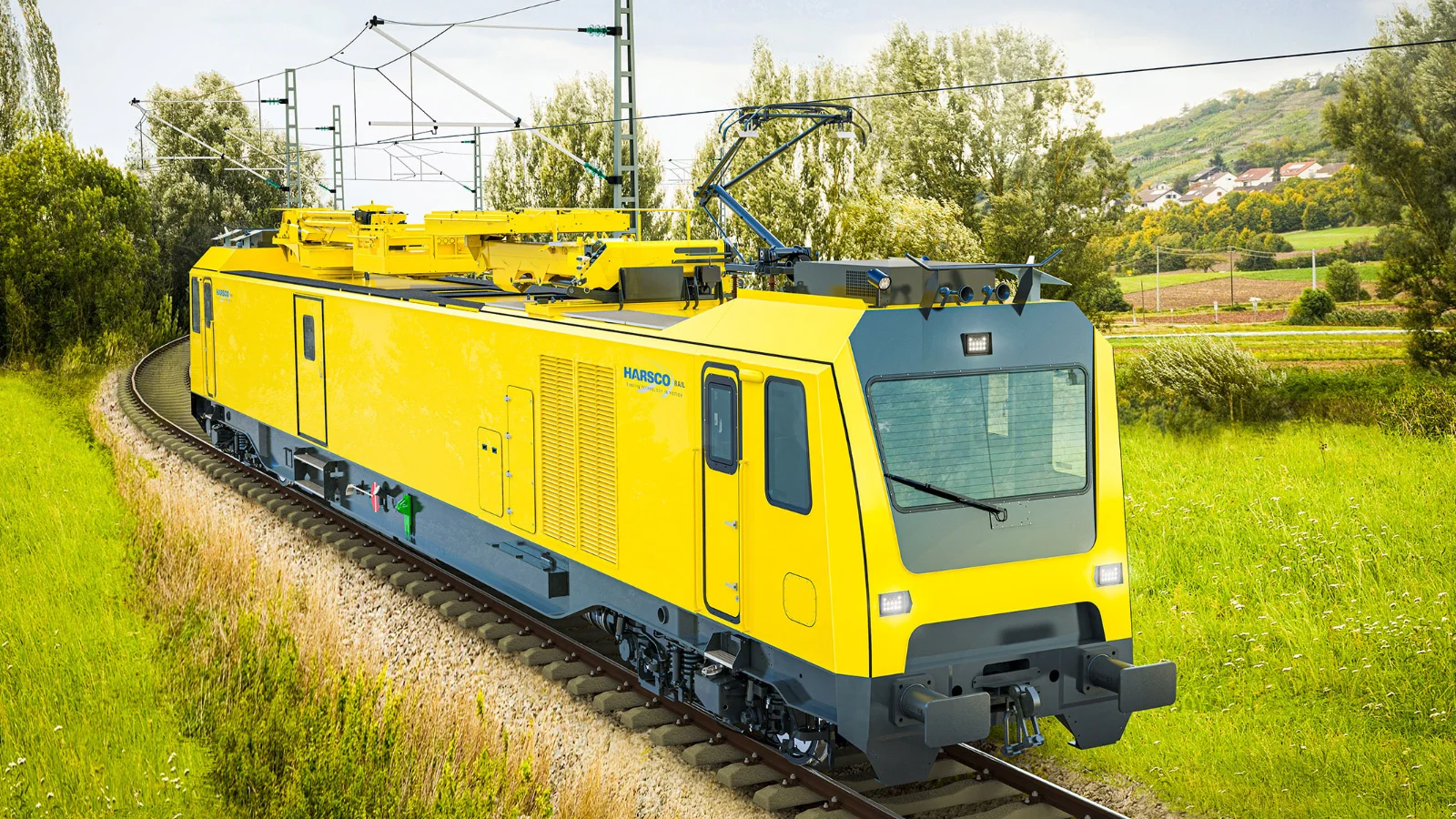
Harsco Rail: Catenary Maintenance Vehicle Control Software