Vector Announces New Rust-Based IEEE 11073 SDC Stack for the Medical Device Industry
At its Medical Engineering Symposium on October 15, Vector unveiled the first Rust-based IEEE 11073 SDC stack. The new stack is designed to help medical device manufacturers integrate standardized device communications faster and more reliably. It combines improved runtime safety and significantly enhanced performance with an easier-to-use interface and flexible integration options. The new stack is expected to be available in the first quarter of 2027.
Rust as a Foundation for Robust Software
Vector has redeveloped its IEEE 11073 SDC stack (Service-oriented Device Connectivity) in Rust to improve software quality and security. Rust’s memory- and type-safety features help prevent common memory-handling errors during development. This can significantly reduce certain causes of runtime errors and memory-related security vulnerabilities. For manufacturers of safety-critical medical devices, this provides a solid foundation for addressing reliability and cybersecurity requirements.
Flexible Integration into Existing Device Architectures
The Rust-based stack can be integrated into C/C++ applications through a Foreign Function Interface (FFI). Manufacturers do not need to port their existing application software to Rust to benefit from the new stack. The architecture is also designed to support flexible deployment across different hardware and operating system environments, allowing integration to be adapted to the specific device platform.
Depending on the product architecture, SDC can be integrated directly into a medical device or through a gateway. This gives manufacturers a path for new device generations as well as options for evolving existing product platforms. Vector also supports SDC adoption with tools for simulation and testing, training, and engineering services. These resources help teams evaluate device communications and network interactions early and validate them throughout the development process.
The new Vector SDC stack’s higher performance is driven in particular by optimized XML message processing and more efficient management of the Medical Data Information Base (MDIB). This standardized data structure represents an SDC device’s description and current state. The improvements target core SDC communication steps: parsing messages, processing device data, and providing state updates. The goal is high-performance communication even in demanding networked applications.
Cross-Vendor Collaboration in the OR and ICU
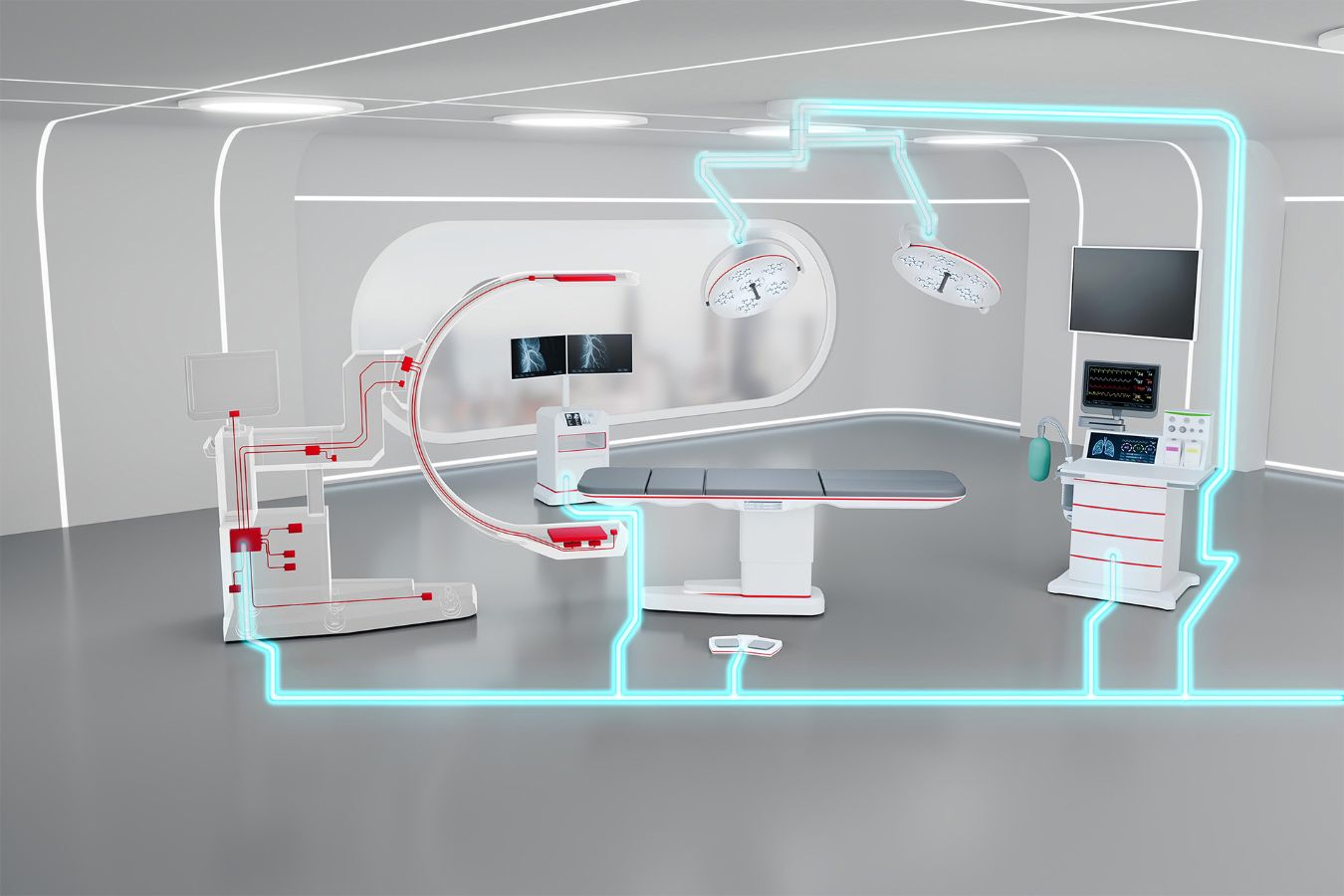
Service-oriented Device Connectivity (SDC) is a family of standards within IEEE 11073 for the secure, vendor-independent networking of medical devices at the point of care. It enables devices to discover one another on the network, exchange measurements, states, and alarm information, and make device functions available through standardized services. In this way, SDC goes beyond data export and provides a technical foundation for coordinated clinical applications.
In the OR and ICU, this can support central displays, cross-device alarm management, and coordinated workflows. The goal is to connect previously isolated devices in interoperable clinical systems and help reduce the burden on clinical staff for device operation and documentation. With the new SDC stack, Vector supports medical device manufacturers on the path to future-ready, software-defined medical devices.
About Vector
Vector is a leading ecosystem partner for software-defined systems. Vector unifies open platforms, AI-powered engineering workflows, tools, reference solutions, and services spanning the entire lifecycle. Manufacturers and suppliers in Automotive, MedTech, Aerospace, Industrial, Agriculture, and Railway rely on Vector to develop and operate intelligent software-defined systems faster and more safely, allowing them to focus on the capabilities that differentiate their products in the market. Customers use Vector's technologies and solutions to build their own ecosystem or extend existing ones with new capabilities. Moreover, Vector contributes its expertise to leading partner ecosystems and industry standards initiatives. The independent foundation-owned company, headquartered in Stuttgart, Germany, employs around 4,500 people worldwide and generated revenue of EUR 930 million in 2025.
Press Contact
Vector Informatik GmbH
Cordula Gielen
Media & Public Relations
Email: cordula.gielen@vector.com
Phone: +49 711 80670-2910